A knocked-out tooth is one of the most time-sensitive dental emergencies. If you act within the first 30 minutes, there is a strong chance the tooth can be reimplanted and saved. Here is exactly what to do, step by step.
Why Speed Matters When a Tooth Gets Knocked Out
When a permanent tooth is knocked out completely, the clock starts ticking. The cells on the tooth root begin to die within 15 minutes if the tooth dries out. Reimplantation success rates are highest within the first 30 minutes, still reasonable up to an hour, and drop sharply after that.
This is not the time to "wait and see." Every minute you spend deciding what to do is a minute the tooth is losing viability. Here is the exact sequence of steps that gives your tooth the best chance of survival.
Step 1: Find the Tooth and Handle It Correctly
Locate the tooth as quickly as you can. When you pick it up, hold it by the crown only. That is the white part you normally see in your mouth. Never touch the root (the yellowish, pointed end). The root surface has delicate periodontal ligament cells that are essential for reattachment. Touching, scrubbing, or drying them destroys those cells permanently.
Step 2: Rinse Gently If Dirty
If the tooth fell on the ground and has dirt on it, rinse it under lukewarm running water for no more than 10 seconds. Do not use soap, alcohol, hydrogen peroxide, or any disinfectant. Do not scrub the root surface. A little dirt is far less damaging than destroying the cells on the root.
Step 3: Try to Reimplant the Tooth Yourself
This sounds intimidating, but it is the single best thing you can do. Hold the tooth by the crown, orient it correctly (the smooth side faces outward), and gently push it back into the empty socket. Bite down on a clean piece of cloth, gauze, or even a damp tea bag to hold it in place. Then call Emergency Dental of Garland at 254-784-8688 immediately.
If you cannot reimplant it yourself, that is okay. Move to Step 4.
Step 4: Keep the Tooth Moist
If you cannot get the tooth back into the socket, you need to keep it moist in the right solution. The best options, in order of preference:
- Milk: Cold whole milk is the best readily available storage medium. The pH and osmolality are compatible with the root cells.
- Saliva: Place the tooth between your cheek and gum, or spit into a clean container and submerge the tooth. Not ideal, but far better than letting it dry out.
- Saline solution: Contact lens solution works if you have it handy.
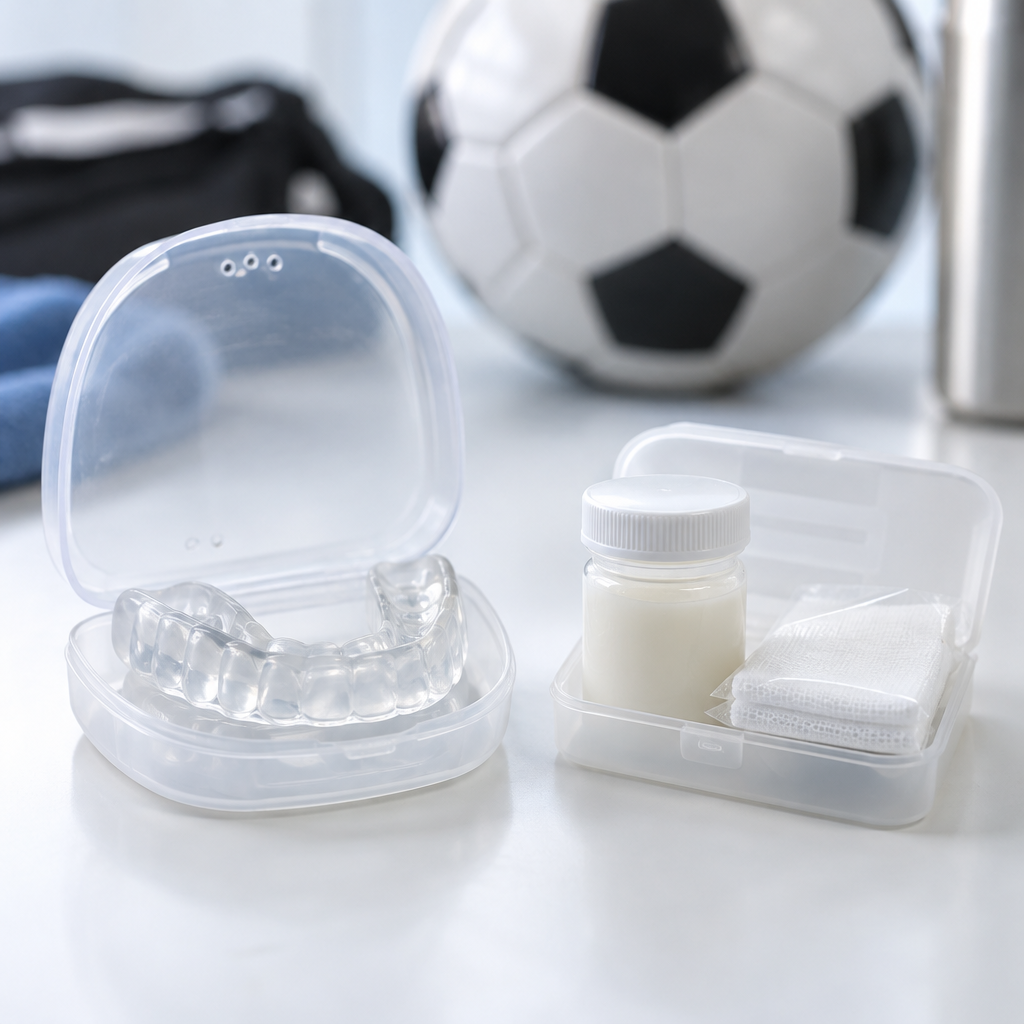
- Save-a-Tooth kit: If you have one (recommended for sports families), use it. These kits contain Hank"s Balanced Salt Solution, which can keep cells alive for up to 24 hours.
Do not store the tooth in water. Plain water causes the root cells to swell and burst due to osmotic pressure. Do not wrap it in tissue or paper towel. Both will dry out the root.
Step 5: Get to Emergency Dental of Garland Immediately
Call us at 254-784-8688 and tell the person who answers that a tooth has been knocked out. We will clear a slot for you right away. When you arrive, our team will clean the socket, reimplant the tooth if it is viable, and stabilize it with a flexible splint. The entire process is done under local anaesthesia, so you should not feel pain.
Visit our knocked-out tooth emergency page for full details on how we handle reimplantation.
What Happens After Reimplantation?
The splint stays on for about two weeks. During that time, eat soft foods and avoid biting on the reimplanted tooth. We will schedule follow-up X-rays to check how the tooth is healing. Some teeth need a root canal after reimplantation. Others heal on their own. We monitor closely and only intervene when necessary.
When Reimplantation Is Not Possible
If too much time has passed, the root is fractured, or the socket is too damaged, reimplantation may not be an option. In that case, we discuss replacement options including dental implants, bridges, and partial dentures. The important thing is to come in regardless. We can always help.
How to Prevent Knocked-Out Teeth
Most knocked-out teeth happen during sports, falls, and accidents. A few practical steps reduce the risk:
- Wear a custom mouthguard during contact sports, basketball, soccer, skateboarding, and cycling
- Use a seatbelt in the car (steering wheel impacts are a common cause)
- Childproof your home if you have toddlers learning to walk
- Do not use your teeth to open bottles, tear tape, or chew ice
If you play sports in the Garland area, ask us about custom-fitted mouthguards at your next visit. They fit better and protect better than the generic boil-and-bite ones from the store.
Emergency Dental of Garland is your emergency dentist in Garland, TX. We are located at 208 S 11th St, Garland, TX 75040, and we treat dental emergencies 24/7. Call 254-784-8688.
Need Emergency Dental Care in Garland?
Do not wait if you are in pain. Call us now for a same-day appointment.
Call 254-784-8688